

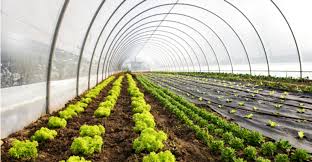
A greenhouse is a structure designed to create an optimal growing environment for plants. It protects plants from harsh weather, pests, and temperature fluctuations while providing the right conditions for growth. For home gardeners, a greenhouse can be a game-changer, allowing for year-round cultivation, healthier plants, and higher yields.
By controlling factors such as temperature, humidity, and light, greenhouses create a stable environment that promotes faster growth and stronger plants. Gardeners can experiment with a variety of crops and extend the growing season beyond what is possible outdoors, making the most of available space and resources.
How Does a Greenhouse Improve Gardening Efficiency?
Greenhouses boost efficiency by streamlining the growing process. Plants are easier to manage when they are in a controlled environment, reducing the time and effort needed for maintenance. Automated watering systems, temperature controls, and adjustable lighting can simplify daily gardening tasks, allowing homeowners to focus on cultivating plants rather than constantly monitoring them.
Efficient use of space is another advantage. Vertical shelving, raised beds, and organized layouts inside a greenhouse maximize growing capacity. Gardeners can grow more vegetables, herbs, and flowers in a smaller area, making home gardening both productive and convenient.
Why Does a Greenhouse Increase Crop Yield?
The controlled conditions inside a greenhouse create ideal circumstances for plant growth. By protecting plants from extreme weather, insects, and diseases, greenhouses minimize stress and damage, resulting in stronger, healthier plants. Consistent light, moisture, and nutrient delivery support faster growth and higher yields compared to outdoor gardening.
Gardeners can also experiment with different plant varieties and growing techniques, such as hydroponics or succession planting, to optimize production. The ability to manage conditions precisely leads to greater efficiency, healthier crops, and increased harvests throughout the year.
What Types of Plants Thrive in a Greenhouse?
Almost any plant can benefit from greenhouse cultivation, but certain crops thrive particularly well. Vegetables like tomatoes, peppers, cucumbers, and leafy greens perform excellently in a greenhouse environment. Herbs such as basil, parsley, and mint grow faster and produce more flavor under controlled conditions.
Flowering plants and ornamental crops also flourish, producing vibrant blooms and larger yields. Even tropical or delicate plants that would struggle outdoors in colder climates can thrive in a greenhouse, giving home gardeners the opportunity to expand their plant variety.
How Does a Greenhouse Support Sustainable Gardening Practices?
Greenhouses promote sustainability by reducing waste, conserving water, and decreasing the need for chemical interventions. Watering systems can be adjusted for efficiency, ensuring that plants receive only what they need. Pests can be managed with natural solutions, reducing reliance on harmful pesticides.
In addition, greenhouses help gardeners reduce their carbon footprint by growing food locally and cutting down on the need for store-bought produce. Homegrown vegetables and herbs are fresher, healthier, and more environmentally friendly, supporting a sustainable lifestyle.
Why Is Temperature and Humidity Control Important?
Temperature and humidity are key factors for plant health and yield. Greenhouses allow gardeners to maintain optimal conditions regardless of outdoor weather. Proper temperature control encourages germination, flowering, and fruiting, while humidity management prevents mold, mildew, and other plant diseases.
Automated systems can simplify this process, maintaining consistent conditions with minimal effort. This control creates an environment where plants can thrive without the stress of sudden weather changes or fluctuating conditions.
How Can Home Gardeners Get the Most Out of a Greenhouse?
To maximize benefits, home gardeners should plan their greenhouse layout carefully, select suitable crops, and maintain proper conditions consistently. Rotating crops, using efficient irrigation, and monitoring light exposure are important practices to enhance productivity.
Regular maintenance, including cleaning, pest inspection, and equipment checks, ensures that the greenhouse remains effective year-round. By combining planning, care, and proper technology, gardeners can achieve higher yields and more efficient gardening practices.
In conclusion, a greenhouse boosts home gardening efficiency and yield by creating a controlled environment that promotes healthy plant growth. With optimized conditions, protection from pests and weather, and sustainable practices, greenhouses allow home gardeners to grow more, save time, and enjoy fresh, high-quality produce all year long.